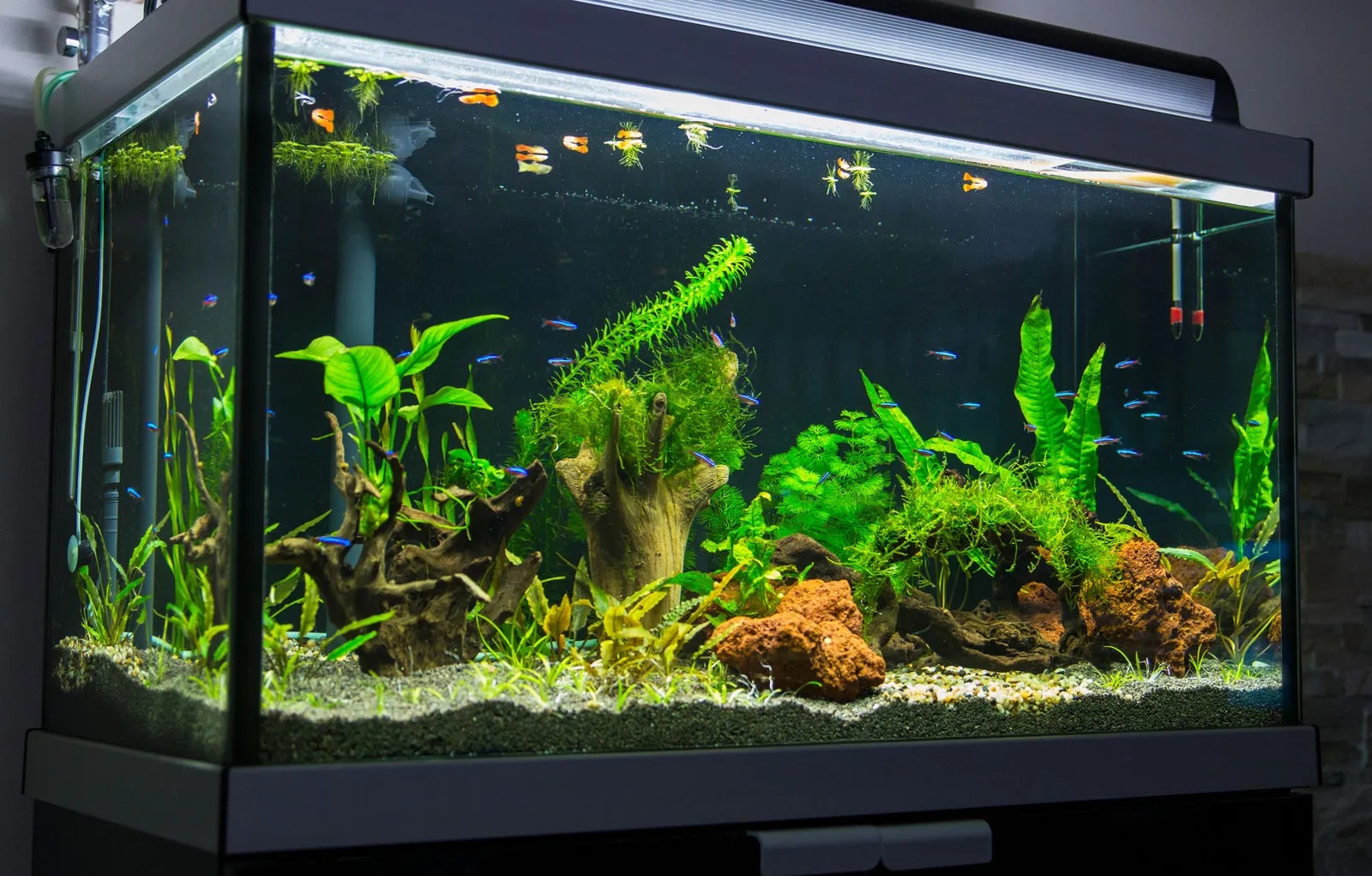
Maintaining the correct pH level is one of the most important aspects of keeping a healthy aquarium. Whether you keep freshwater tropical fish, goldfish, or marine species, the pH level influences stress, disease resistance, metabolism, and overall survival. Many fishkeepers eventually face a situation where the aquarium’s pH drops too low and needs to be increased. But one common question arises: how long does it actually take to raise the pH in a fish tank?
The short answer is: it typically takes anywhere from 24 hours to several days, depending on the method you use, the size of the tank, the buffering capacity (KH), and how drastically the pH needs to change. However, raising pH too quickly can shock your fish, so the goal should always be a slow, controlled increase.
Below, we explore the factors that affect the speed of pH change, safe methods for adjusting it, and what you should expect during the process.
Understanding pH and Why It Drops
pH measures the acidity or alkalinity of water on a scale from 0 to 14.
- Below 7 = acidic
- 7 = neutral
- Above 7 = alkaline
Many things can cause pH to drop in a fish tank:
- Accumulation of organic waste
- Decomposing plants or leftover food
- Low carbonate hardness (KH)
- Using soft or RO water
- Driftwood leaching tannins
- Overcrowding or insufficient water changes
Before raising pH, it’s important to identify the cause so the problem does not return.
How Long It Takes to Raise pH: A Detailed Breakdown
1. Using Chemical Buffers
Chemical pH-increasing products work quickly—sometimes within hours. While they can raise pH within 12–24 hours, fast changes may cause sudden pH swings that stress fish. These products are best saved for emergencies rather than everyday use. For long-term stability, natural methods work better.
If you want to learn gentle approaches, check out Easy methods for adjusting aquarium pH, which provide stable and beginner-friendly solutions for long-term pH management.
2. Increasing KH (Carbonate Hardness)
Raising KH stabilizes pH and prevents sudden drops. You can use:
- Crushed coral
- Aragonite
- Baking soda
Time needed:
- Baking soda raises pH within 24 hours
- Crushed coral or aragonite takes 2–7 days
These are among the safest ways to increase pH without shocking fish.
3. Using Natural Methods
Sometimes you can raise pH without adding chemicals.
a. Increase aeration
More oxygen reduces carbon dioxide, raising pH naturally.
- Works in 24–48 hours
b. Remove excess driftwood or tannins
Removing tannin sources helps pH rise gradually.
- Takes 2–5 days
c. Water changes
If your tap water has higher pH, water changes can correct acidity.
- Takes 2–7 days
All of these fall under Easy methods for adjusting aquarium pH, which focus on safe, slow improvements that protect your fish.
4. Crushed Coral in Filter Media or Substrate
This is one of the most common approaches for long-term pH control.
- Noticeable improvement: 48–72 hours
- Full stability: 1 week or more
Crushed coral dissolves slowly, gently raising pH and KH without causing sudden changes.
5. Limestone or pH-Boosting Rocks
Rocks like limestone or Texas holey rock release minerals gradually.
- pH rise: 3–10 days
- Very stable once established
Ideal for African cichlids or fish that prefer higher alkalinity.
Why You Should Avoid Raising pH Too Fast
A sudden change of more than 0.3–0.4 pH in 24 hours can cause:
- Stress
- Gill irritation
- Appetite loss
- Shock
- Death in extreme cases
Slow adjustment is always safer. Most Easy methods for adjusting aquarium pH focus on gentle, gradual increases.
Factors That Affect How Fast pH Adjusts
1. Tank Size
- Small tanks: faster changes
- Large tanks: slower, more stable
2. KH Levels
Low KH makes pH harder to control and more prone to swings.
3. Water Source
Hard or alkaline tap water raises pH more easily.
4. Bioload
More fish = more waste = faster acidification.
How to Safely Raise pH Step-by-Step
Step 1: Test pH and KH
Use a quality liquid test kit for accuracy.
Step 2: Choose a slow method
Examples from Easy methods for adjusting aquarium pH include:
- Crushed coral
- Aeration
- Water changes
- Removing acidic decorations
Step 3: Adjust gradually
Raise pH 0.2–0.3 per day at most.
Step 4: Monitor fish
Stop adjustments if fish show stress.
Step 5: Retest daily
Ensure stability after each change.
Conclusion
So, how long does it take to raise pH in a fish tank?
Usually 24 hours to several days, depending on the method and how much adjustment is needed. Rapid chemical changes work fast but can be risky, while natural, gradual approaches—like those found in Easy methods for adjusting aquarium pH—are safer and more effective.
Stability matters more than speed. A slow, controlled approach ensures your fish stay healthy, stress-free, and thriving.